 Meeting Diverse Needs for Small Batches, Multiple Varieties & Short Lead Times

 English
 Español
 عربى

Where Does Carbon-Alloy Aluminum Enameled Wire Fit?
Carbon-Alloy Aluminum Enameled Wire offers another option for manufacturers assessing conductor materials for motors, transformers, and new energy vehicle drive systems. Its approach combines a carbon-alloy aluminum conductor with graphene coating technology. As equipment makers consider component weight alongside electrical and thermal requirements, the material raises a practical question: where can it fit, and what needs to be verified before use?
Choosing a conductor involves more than comparing copper and aluminum by weight. Electrical conductivity, insulation, thermal behaviour, and mechanical properties all affect how a winding performs. The right comparison must consider the winding system and its operating conditions.
Moving Beyond Copper And Conventional Aluminum
Aluminum is used in electrical applications partly because of its relatively low density. It weighs less than copper, but its electrical conductivity is also lower. Replacing copper with aluminum therefore requires attention to conductor dimensions, resistance, current requirements, and available winding space.
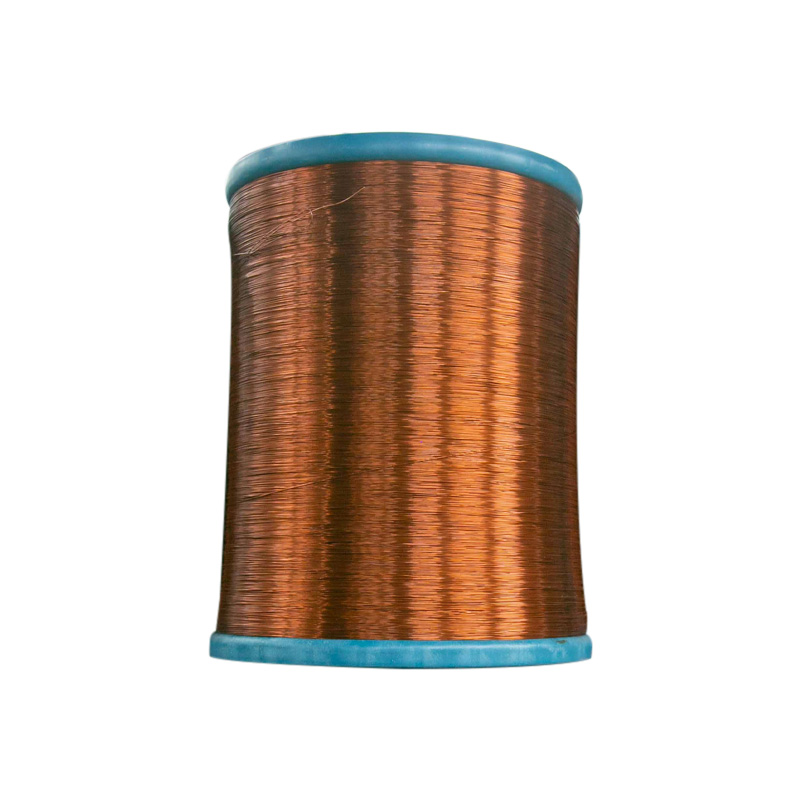
Carbon-Alloy Aluminum Enameled Wire builds on the aluminum conductor concept by introducing carbon-alloy material and graphene coating technology. The manufacturer presents this combination as an approach to balancing lightweight construction and electrical performance. Its actual benefits, however, depend on the material composition, coating structure, and manufacturing process.
For engineers, the important point is not the material name alone. A new conductor needs to be assessed against measurable properties and the requirements of the equipment in which it will be used.
Graphene Coating Needs Performance Verification
Graphene has attracted interest in materials engineering because of its electrical and mechanical characteristics. In conductor development, graphene-based coatings are being explored as a way to modify the properties of metal-based materials.
For Carbon-Alloy Aluminum Enameled Wire, the coating is part of the material approach, but its presence does not by itself establish a specific improvement in conductivity, strength, or service life. Those outcomes depend on composition, coating uniformity, adhesion, and production conditions.
Engineers evaluating Graphene-Coated Aluminum Magnet Wire should look for relevant test data, including electrical resistance, insulation performance, coating consistency, thermal endurance, and mechanical behaviour during winding. This is especially important when a new material is considered for equipment originally developed around copper or conventional aluminum wire.
Applications Depend On The Winding System
The manufacturer identifies high-end motors, transformers, and new energy vehicle drive systems as potential application areas. Each has different electrical, thermal, and mechanical demands.
In motor production, reducing winding weight may support broader efforts to manage equipment mass. However, current-carrying capacity, winding space, heat dissipation, and operating temperature remain essential considerations. A lighter conductor must still meet the motor's electrical requirements.
Transformer applications place continued emphasis on resistance, insulation integrity, and winding stability. For vehicle drive systems, space constraints, changing loads, and temperature variation add further factors to the material assessment. Carbon-Alloy Aluminum Enameled Wire may be considered where its verified properties match these application requirements, rather than selected on weight reduction alone.
What Buyers Need To Confirm
Before adopting a different winding conductor, buyers and engineering teams need clear technical information. Carbon-Alloy Aluminum Enameled Wire should be assessed against the same application requirements. The evaluation should cover:
-
Conductor details: dimensions, material composition, and electrical parameters.
-
Insulation: enamel type, insulation performance, and applicable temperature classification.
-
Mechanical properties: tensile strength, elongation, and suitability for winding and installation.
-
Process compatibility: winding equipment, handling conditions, and requirements of the finished component.
-
Testing records: technical data and reports that verify the agreed specifications.
These checks also apply when comparing Graphene-Coated Aluminum Magnet Wire with conventional winding materials. A supplier's technical documentation should make it possible to assess the material against actual operating conditions, rather than relying on broad claims about advanced materials.
Production Control And Product Variations
Enameled wire performance depends on raw materials as well as the consistency of drawing, surface preparation, coating, and curing. Variations in wire dimensions or enamel thickness can affect finished-wire characteristics and its suitability for winding operations.
Zhejiang Changran Technology Co., Ltd. describes an integrated wire drawing and enameling production system managed under an ISO 9001 quality control system. Its process monitoring includes wire drawing speed, enameling temperature, and coating thickness. These controls are relevant to maintaining agreed product characteristics from batch to batch.
The company's listed range includes QZL/2-180, QZL2-200, and QZL2-220 versions, alongside customized options. Buyers should confirm the applicable temperature classification and other requirements for their equipment; these versions should not be treated as interchangeable without checking their specifications.
As electrical equipment manufacturers assess alternatives to conventional winding conductors, Carbon-Alloy Aluminum Enameled Wire adds another material option for applications where weight and electrical performance must be considered together. Its suitability depends on verified properties, insulation requirements, and compatibility with the winding process. Carbon-Alloy Aluminum Enameled Wire should therefore be evaluated through application-specific data and production trials before it is adopted for a particular motor, transformer, or vehicle drive system.

- (+86) 578-3999996
- (+86) 15088455116
- 820381596@qq.com
- Yanghao Block, Suichang Economic Development Zone, Yunfeng Subdistrict, Suichang County, Lishui City, Zhejiang Province, China
Copyright © Zhejiang Changran Technology Co., Ltd. All rights reserved.
